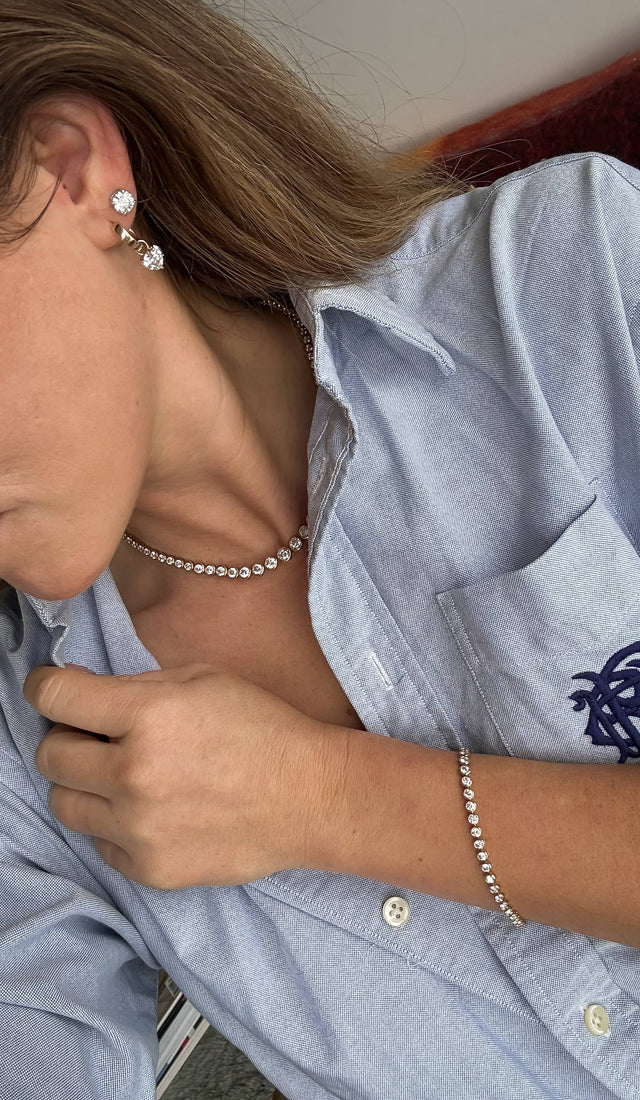
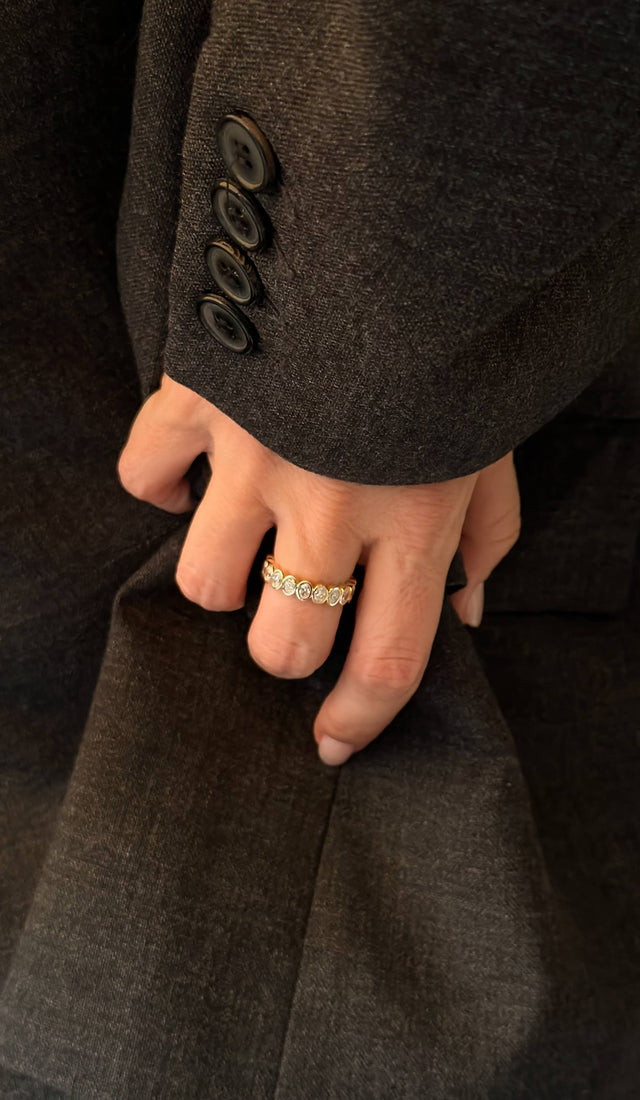
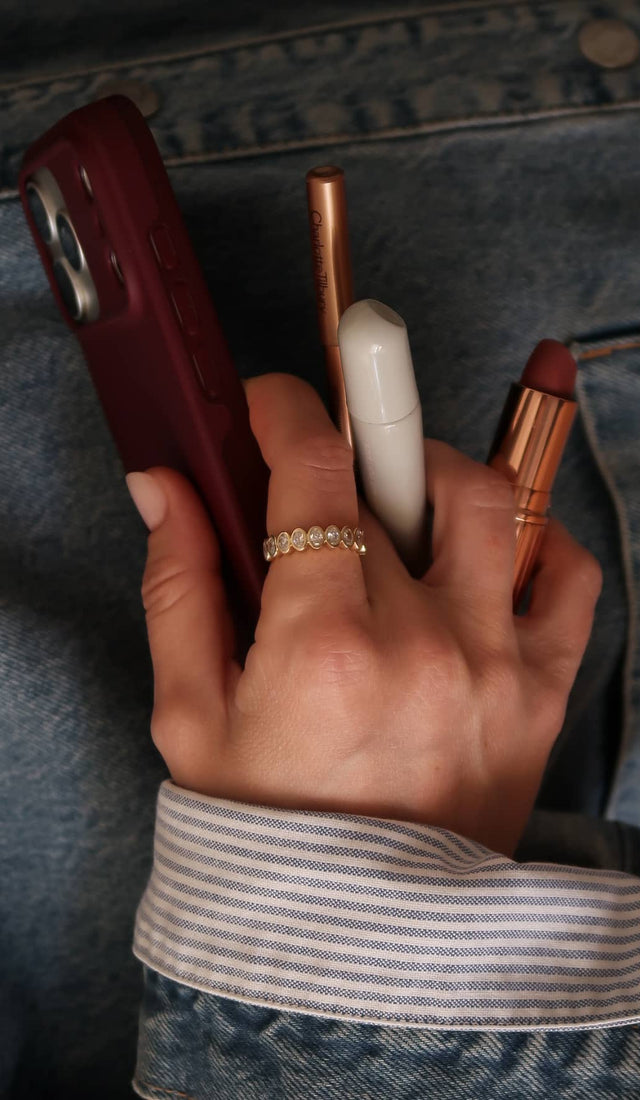
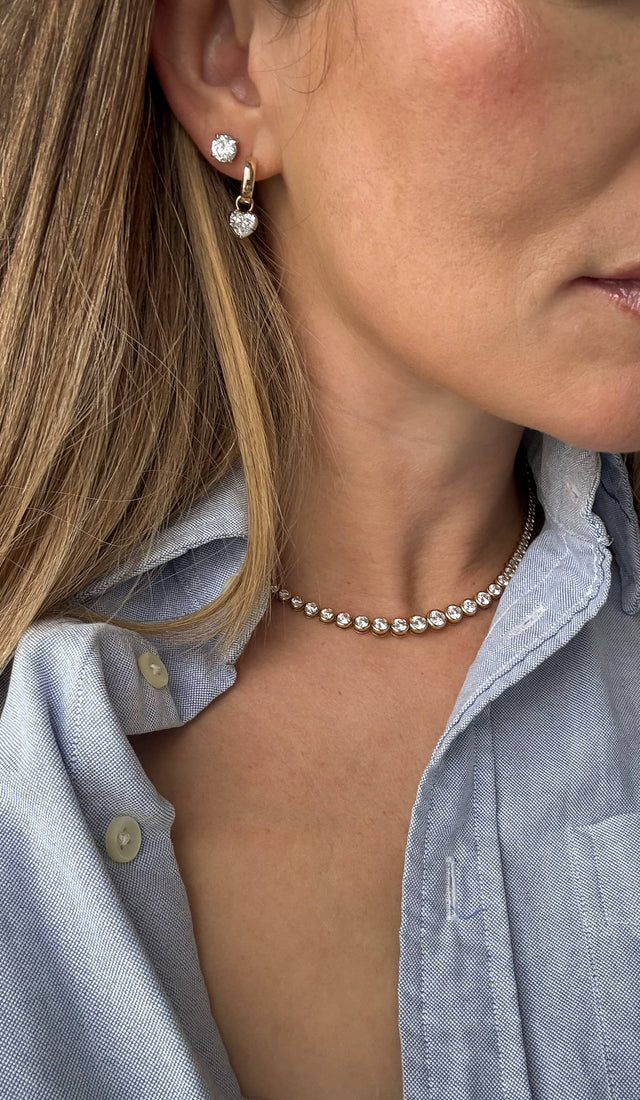
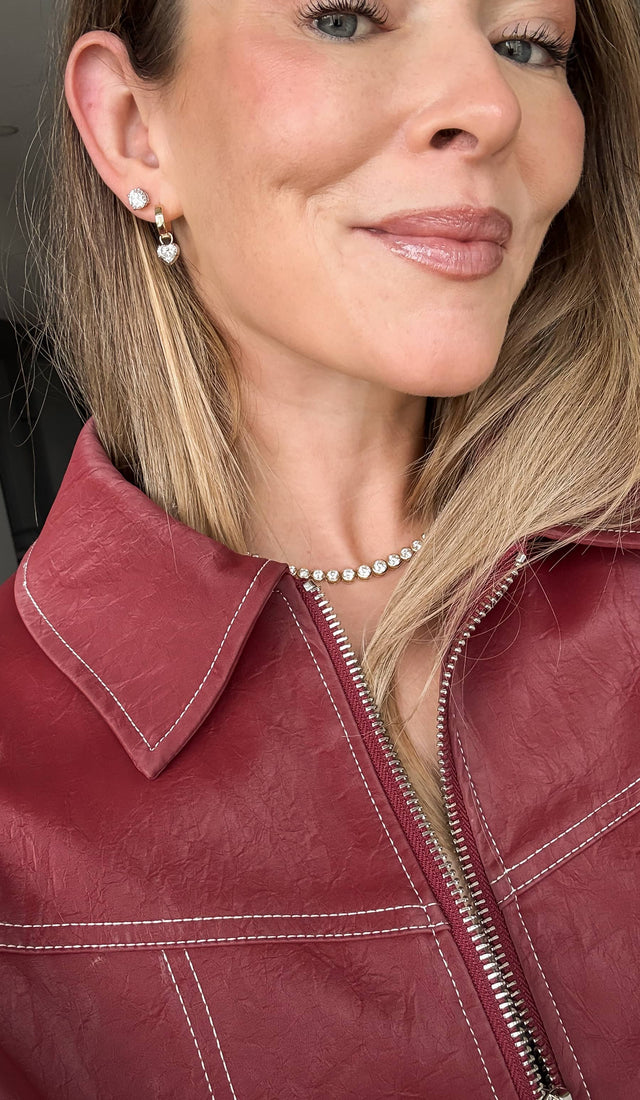
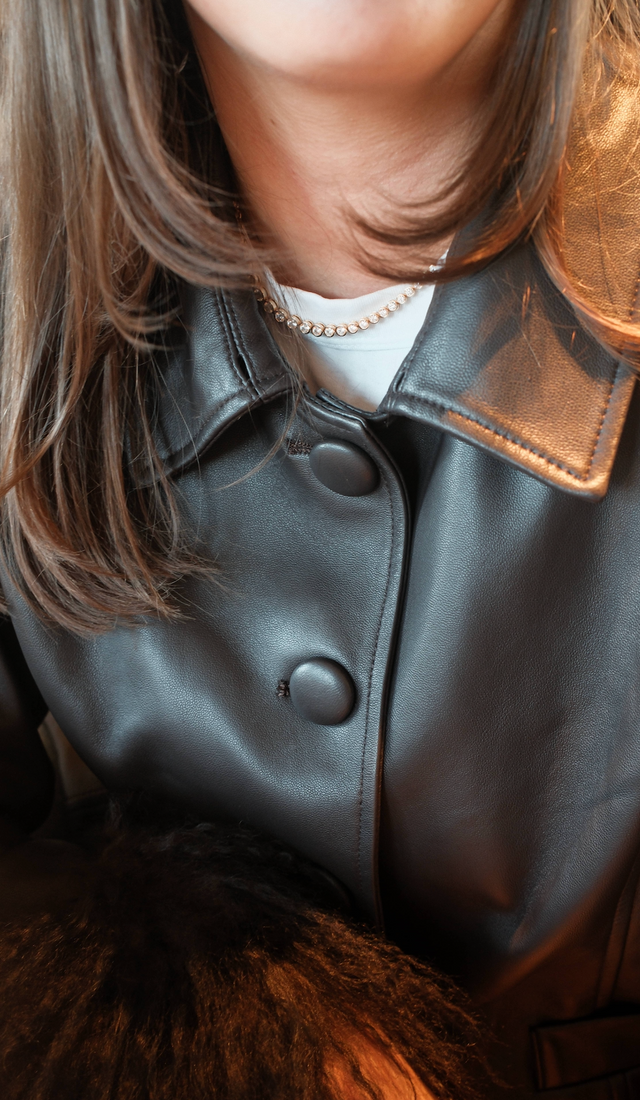
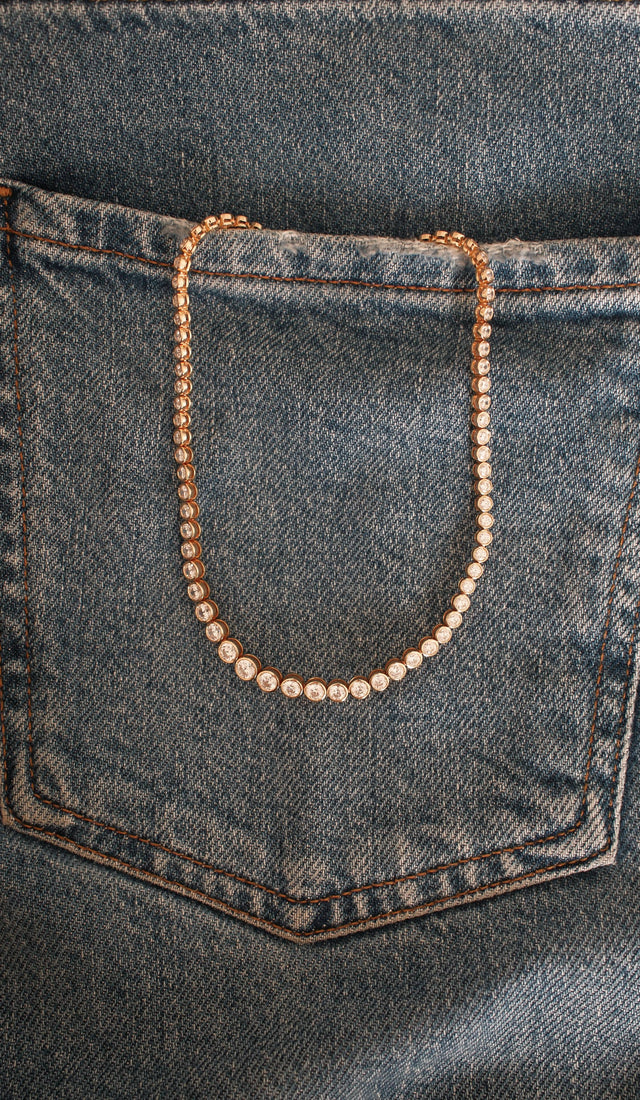
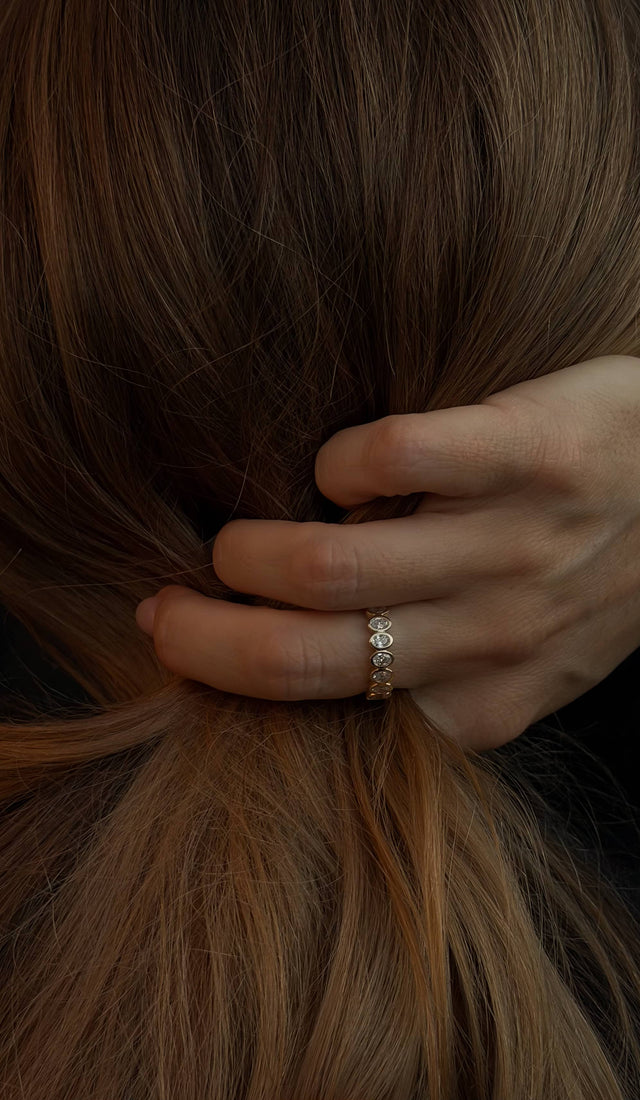
HEIREST pieces are available in a full range of precious metals, each hallmarked to international standard.
Understanding gold purity
Gold purity is measured in karats (k). The higher the karat, the greater the proportion of pure gold - and the richer the colour. Lower karat golds contain more alloy metals, which increases durability and wear resistance.
Yellow, white and rose gold are each available at every karat weight. Colour is achieved through the alloy composition, not by adding or subtracting gold. Your choice of colour does not affect the price or gold purity.
9K Gold (375): 37.5% pure gold
-
What this means: 9 parts gold to 15 parts alloy metals (typically silver, copper, zinc). The highest alloy content of our gold options.
-
Character:
Most durable and most scratch-resistant. Slightly warmer, less saturated in colour than higher karat golds. Ideal for pieces worn every day.
14K Gold (585): 58.5% pure gold
- What this means: 14 parts gold to 10 parts alloy. The most popular choice worldwide - a well-established balance between purity, durability and appearance.
- Character: Richer, warmer colour than 9k while remaining highly practical for daily wear. A well-established balance between purity, durability and colour.
18K Gold (750): 75% pure gold
- What this means: 18 parts gold to 6 parts alloy. The international standard for fine jewellery. Significantly purer than 9k or 14k.
- Character: Deepest, richest gold colour. Slightly softer than lower karat golds but still robust for everyday wear. The closest to pure gold you can wear daily.
Platinum (950): 95% pure platinum
- What this means: 95 parts platinum to 5 parts alloy. An entirely different metal category from gold - naturally white, exceptionally dense, and among the rarest precious metals on earth.
- Character: The most substantial feel of any HEIREST metal. Naturally white - its colour comes from the metal itself, not a surface treatment. Develops a soft patina over time (can always be repolished). Extremely long-wearing.
How to choose the right metal for you
-
For everyday fashion jewellery and active lifestyles - 9k or 14k gold: Higher alloy content makes 9k and 14k harder and more resistant to surface scratches. If your piece will face daily exposure to water, gym equipment, or rough handling - 9k or 14k is the practical choice.
-
For engagement rings and pieces you'll wear for a lifetime - 18k gold: 18k is the international standard for fine jewellery, and the default choice for engagement rings worldwide, and for good reason. It contains more pure gold and fewer alloy metals, making it more malleable. For stone settings, this matters: prongs in 18k flex slightly rather than fracture, hold their grip better over time, and are easier for jewellers to service. Higher gold content also means fewer alloy metals to degrade over decades. The result is a piece that wears beautifully, polishes easily, and holds its integrity for generations. If you're buying something to keep forever, 18k is the choice.
-
For the richest colour - 18k in any gold tone: Gold colour deepens with purity. 18k yellow gold carries the warmest, most saturated tone. 18k white and rose gold carry richer depth than their 9k or 14k equivalents.
-
For a naturally white metal - platinum: Platinum's white comes from the metal itself - there is no surface treatment involved. It stays white permanently, develops a soft patina over time, repolishable on request. The densest and most substantial metal we offer.
White gold pieces may benefit from re-plating over time. HEIREST can arrange this at workshop cost - email support@heirest.com for more information.
Two-toned designs
Our two-toned pieces pair yellow gold with white gold, using white gold for the setting and prongs that surround your stone. Interested in a different combination? Our Bespoke team can help - contact them at bespoke@heirest.com.